Back to Blogs
Top Questions About Preventive Dentistry Answered
Discover how preventive dentistry empowers you to maintain optimal oral health, saving money and minimizing dental anxiety.
September 11, 2026
•
2 min read

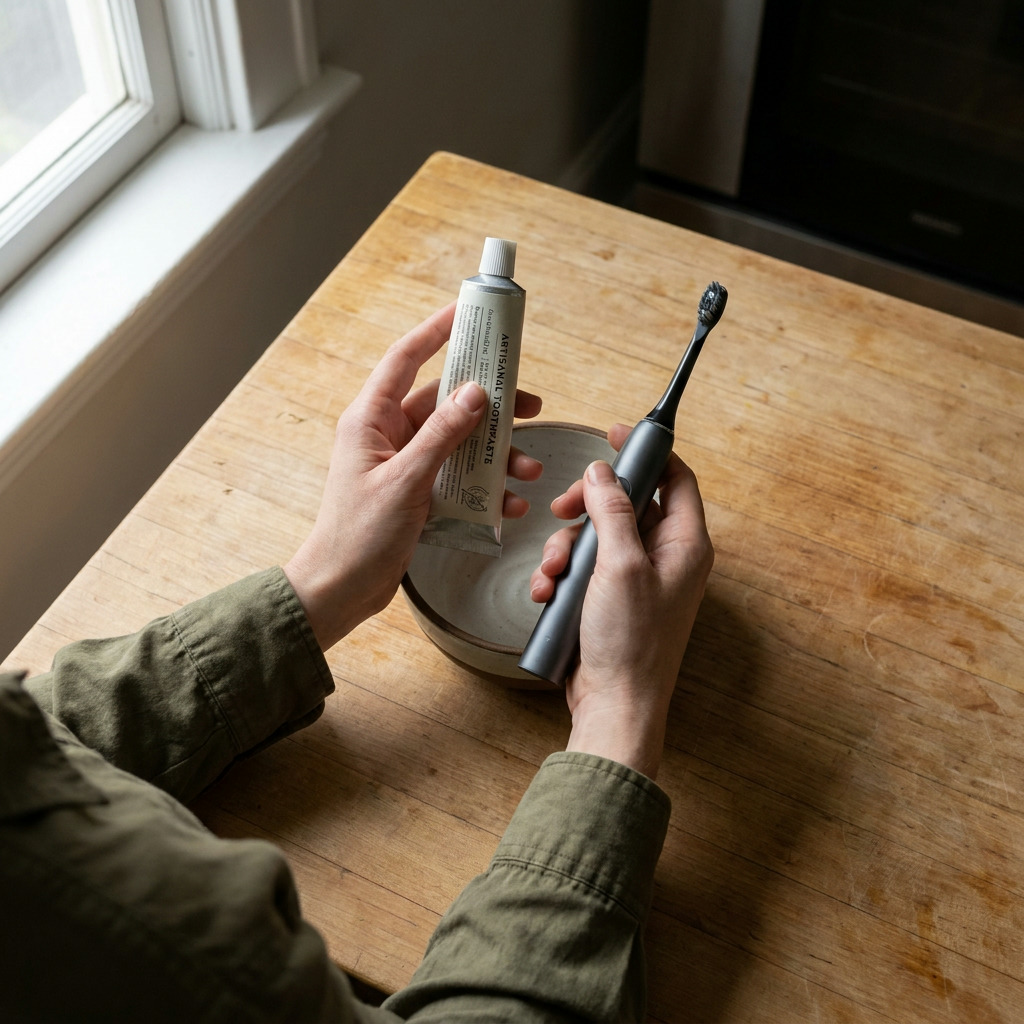
Discover how preventive dentistry empowers you to maintain optimal oral health, saving money and minimizing dental anxiety.
Amanda stirred her morning coffee, a knot of unease tightening in her stomach. Lately, a persistent dull ache in her back molar had been making itself known, a subtle reminder that her dental health wasn't quite where it should be. She knew she needed to be proactive, but the sheer thought of a dental visit filled her with a familiar trepidation. It wasn't pain she feared so much as the unknown — the potential for expensive treatments or complex procedures.
She remembered a conversation with her friend Rachel, who had recently raved about her dental experience. Rachel had mentioned how her new dentist, Dr. Morren, had truly emphasized preventive dentistry, making her feel empowered rather than judged. Amanda wondered if this approach could be different, if it could genuinely alleviate her worries about dental care. The idea of stopping problems before they start was appealing, but she wasn't sure what it truly entailed.
As she scrolled through her phone, searching for answers, Amanda felt a familiar internal monologue. Is it really possible to avoid major dental issues? What does "preventive" even mean in the dentist's office?Her questions felt basic, yet deeply important to her overall peace of mind and, she hoped, her dental future. This quiet moment of doubt was the catalyst for change, nudging her towards finding clearer answers.

Driven by her growing concern and Rachel's glowing recommendation, Amanda decided to make an appointment. Walking into Dr. Morren's office, she was immediately struck by the warm, inviting atmosphere – a stark contrast to the sterile environments she remembered from childhood. During her consultation, Dr. Morren, with a calm and reassuring demeanor, began to explain the true essence of preventive dentistry. He described it not as a list of treatments, but as a philosophy.
He explained that preventive care is about maintaining optimal oral health through regular professional cleanings, thorough examinations, and personalized advice on at-home care. It's about catching small issues like cavities or gum disease early, before they escalate into more significant, painful, or costly problems requiring procedures like root canals or extractions. His approach centered on education, empowering patients like Amanda to take control.
Dr. Morren illustrated his point with an analogy: "Think of your car," he said. "You wouldn't wait for the engine to seize before getting an oil change, right? Preventive dentistry is similar; it’s routine maintenance for your smile, keeping everything running smoothly." This analogy immediately resonated with Amanda, making the concept feel less abstract and far more logical. She felt a glimmer of hope that her lingering ache might be addressed simply and effectively.

Amanda, feeling a newfound sense of understanding, then inquired about the practical aspects of preventive care. "What does a typical preventive visit involve?" she asked. Dr. Morren patiently outlined the process, explaining that it generally includes a comprehensive dental exam, professional dental cleaning, and often, digital X-rays to see beneath the surface. Each component plays a crucial role in safeguarding her oral health.
He elaborated on the importance of the dental exam, where he meticulously checks for signs of decay, gum disease, and other oral health issues. This thorough assessment also includes screening for oral cancer, a service Amanda hadn't even considered. "Early detection is paramount," he emphasized, explaining how catching issues in their infancy makes treatment far simpler and more successful.
Regarding the cleaning, Dr. Morren explained that even with diligent brushing and flossing, plaque and tartar can accumulate in hard-to-reach areas. The dental hygienist meticulously removes these deposits, polishing the teeth and leaving them feeling incredibly smooth and refreshed. This professional touch not only prevents cavities but also keeps her gums healthy and strong, a key aspect of preventing gum disease.

Amanda then pondered if preventive dentistry was solely about cleanings and exams, or if there were other personalized measures. Dr. Morren assured her that while those were the cornerstones, preventive care often involves more tailored solutions. He mentioned fluoride treatments, especially for those prone to cavities, which help strengthen tooth enamel and make it more resistant to acid attacks.
He also discussed dental sealants, particularly beneficial for molars with deep grooves that can trap food particles and bacteria. These thin, protective coatings act as a barrier, preventing decay in vulnerable areas. "It's like adding an extra layer of defense," he explained, making it clear that these aren't just for children but can benefit adults too. This opened Amanda's eyes to the diverse tools available.
For those engaging in contact sports, Dr. Morren highlighted custom-fitted mouthguards, which protect teeth from injury. He also touched upon the critical role of a balanced diet and advising against excessive sugary snacks and drinks. Every aspect of her lifestyle could impact her oral health, and Dr. Morren's comprehensive approach gave Amanda confidence that her specific needs would be met.
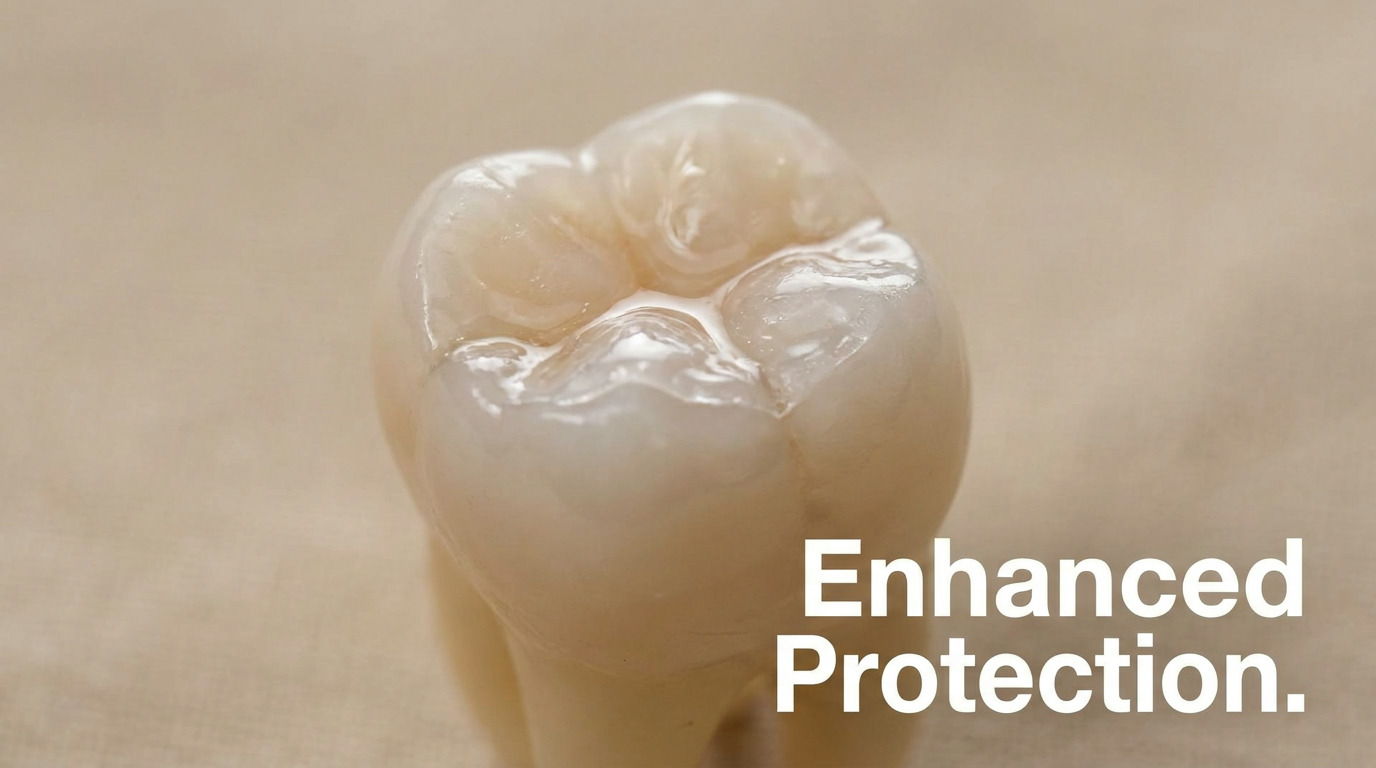
Amanda's journey from uncertainty to clarity revealed the power of proactive dental care. If you're ready to embrace a future where your smile is healthy and your dental fears are minimized, Dr. Morren and his team are here to guide you. Discover how preventive dentistry can transform your oral health and bring you peace of mind.

A common concern for Amanda, and many others, was the perceived cost of dental care. She cautiously asked about the investment involved in preventive dentistry. Dr. Morren addressed this directly, explaining that while there are costs associated with dental visits, preventive care is ultimately an investment that saves money in the long run. He pointed out that addressing minor issues now prevents major expenses later.
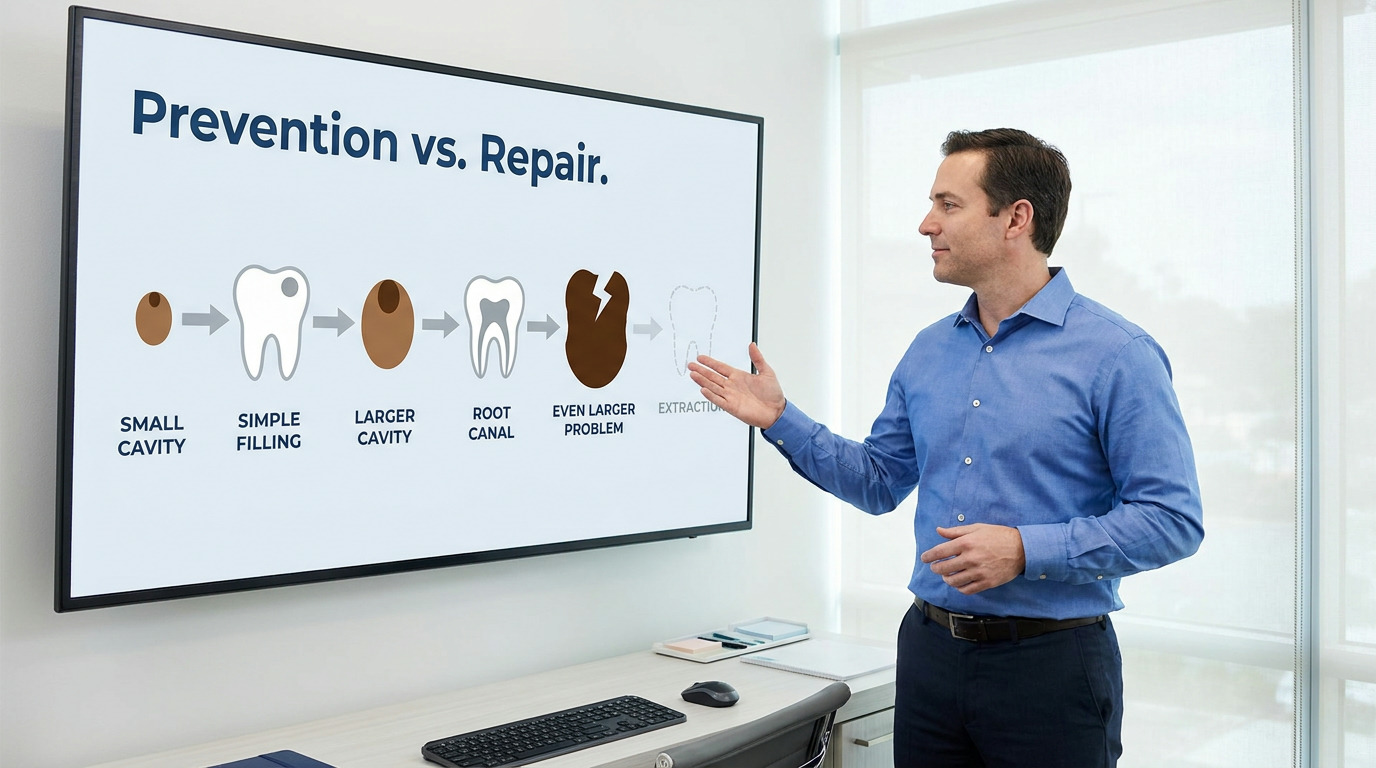
He gave an example: a small cavity caught early can be easily treated with a simple filling, a relatively inexpensive procedure. If left untreated, that same cavity could lead to severe pain, a root canal, or even tooth extraction, all of which are significantly more involved and costly. "Think of it as protecting your capital," he advised, referring to her natural teeth as invaluable assets.
Dr. Morren also mentioned that most dental insurance plans strongly emphasize and often fully cover preventive services like exams and cleanings, recognizing their value in overall health. He encouraged Amanda to speak with his administrative team about her specific insurance benefits and any available payment plans, ensuring that financial considerations wouldn't be a barrier to maintaining her health.
Amanda confessed that part of her hesitation stemmed from a lifelong battle with dental anxiety. She had always found the sounds and sensations of the dental office overwhelming. Dr. Morren listened empathetically, assuring her that this was a common concern and that his practice offered solutions like sedation dentistry to make visits comfortable and stress-free.
He explained that various options are available, from nitrous oxide (laughing gas) that provides a gentle relaxation, to oral sedation that can induce a deeper state of calm, helping patients overcome their fears. "Your comfort is our priority," Dr. Morren stated, highlighting how these methods allow patients to receive necessary care without the stress that often deters them. He wanted her experience to be positive.
This revelation was a huge relief for Amanda. The idea that she could receive her cleaning and exam without the usual dread was transformative. Knowing that she wouldn't have to endure discomfort made the prospect of regular preventive appointments far less daunting. This personalized care approach truly addressed her deepest concerns, turning anxiety into anticipation for a healthy smile.

Dr. Morren emphasized that while professional visits are crucial, the success of preventive dentistry largely hinges on consistent home care. "What you do between visits is just as important," he stressed, outlining the fundamentals of a good oral hygiene routine. Regular and proper brushing and flossing are non-negotiable for maintaining a healthy mouth.
He advised brushing for two minutes, twice a day, using a soft-bristled brush and fluoride toothpaste. He also demonstrated the correct flossing technique, showing how to gently clean between teeth and along the gum line where bacteria often hide. "It's about consistency, not just intensity," he explained, clarifying that a gentle, thorough approach is more effective than aggressive scrubbing.
Amanda felt empowered by this practical advice. Dr. Morren also mentioned the potential benefits of mouthwash in some cases, and the importance of replacing her toothbrush every three to four months. Taking an active role in her daily oral health regimen felt like a tangible way to contribute to her own well-being, reinforcing the collaborative nature of preventive care.
After her thorough preventive exam and cleaning, Amanda's lingering ache was gone, and her teeth felt incredibly clean. She left Dr. Morren's office not only with a sparkling smile but with a profound sense of empowerment and clarity. Her initial doubts had been replaced by confidence in her dental future, knowing she had a clear plan for maintaining her oral health.
She understood now that preventive dentistry wasn't just about avoiding problems; it was about actively building a foundation for lifelong health and confidence. Dr. Morren's empathetic approach and detailed explanations had transformed her perspective, turning a source of anxiety into an area of proactive self-care. "I feel so much better knowing what to expect," she told the receptionist on her way out.
Amanda realized that her journey, starting with that dull ache and leading to this newfound understanding, was about more than just her teeth. It was about choosing a proactive path for her overall well-being. She now looked forward to her next preventive visit, knowing that she was taking the best possible care of her smile, ensuring it would stay bright and healthy for years to come.


Recognizing signs like sensitivity, pain, visible decay, or failing fillings is crucial for timely restorative care, preventing further damage and preserving oral health.
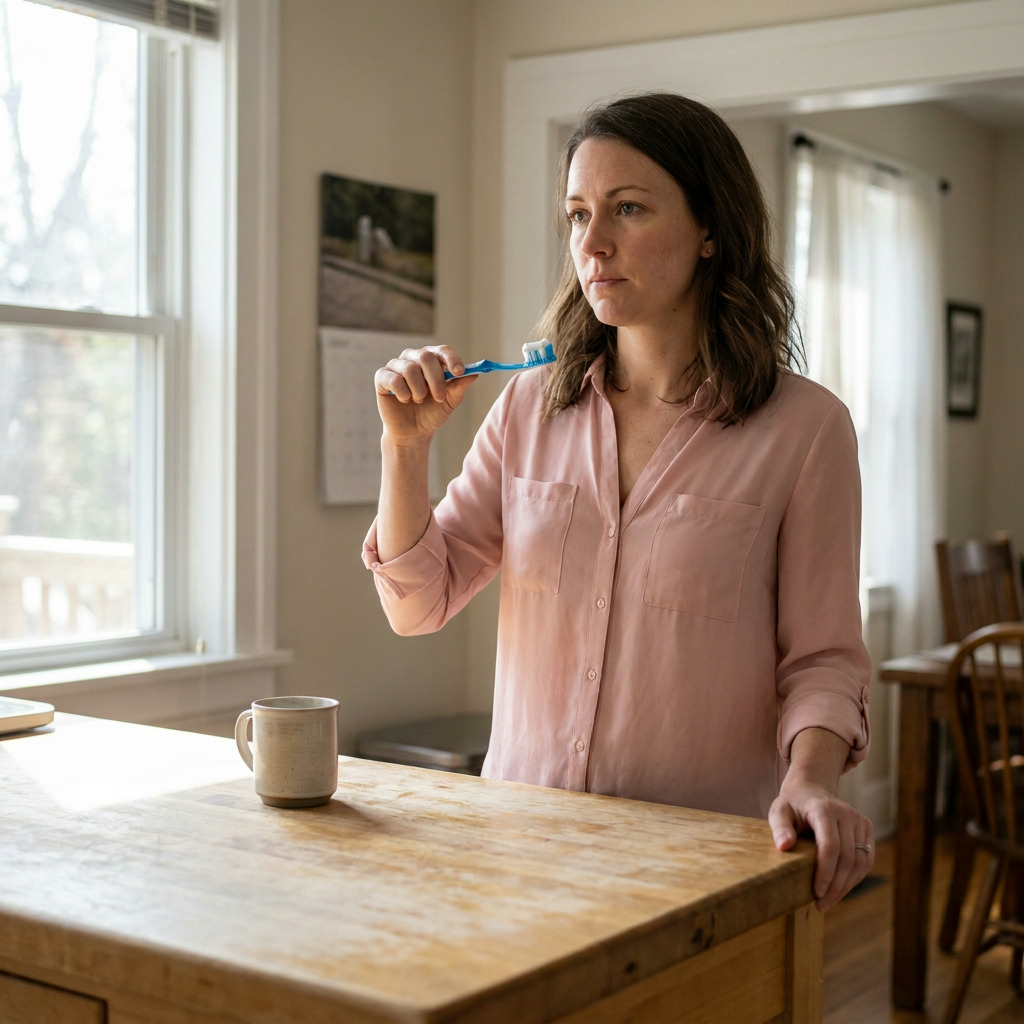
Regular dental visits and diligent home care are essential for preventing issues, catching problems early, and maintaining long-term oral health and overall well-being.

Discover Audrey's journey to a radiant, confident smile with Dr. Morren, transforming insecurity with professional Teeth Whitening and Dental Crowns.