Back to Blogs
Are Dental Implants Right for Your Smile?
Restore your smile and confidence with dental implants, a durable solution for missing teeth that looks, feels, and functions like natural ones.
October 8, 2026
•
2 min read


Restore your smile and confidence with dental implants, a durable solution for missing teeth that looks, feels, and functions like natural ones.
For many individuals facing tooth loss, dental implants represent a remarkable solution for restoring both function and aesthetics. These small, titanium posts act as artificial tooth roots, providing a sturdy foundation for replacement teeth that look, feel, and perform like natural ones. They offer a durable, long-term approach to reclaiming a complete and confident smile.
Natalie, a woman in her early 40s, recently found herself struggling with a missing molar. She had been reluctant to smile broadly or eat certain foods since losing the tooth in a sports accident a few months prior. Natalie felt a noticeable gap, and it impacted her daily life and confidence.
She began researching her options, wanting something that felt permanent and natural. Natalie knew dental implants were a possibility but felt unsure if they were the right choice for her specific situation.
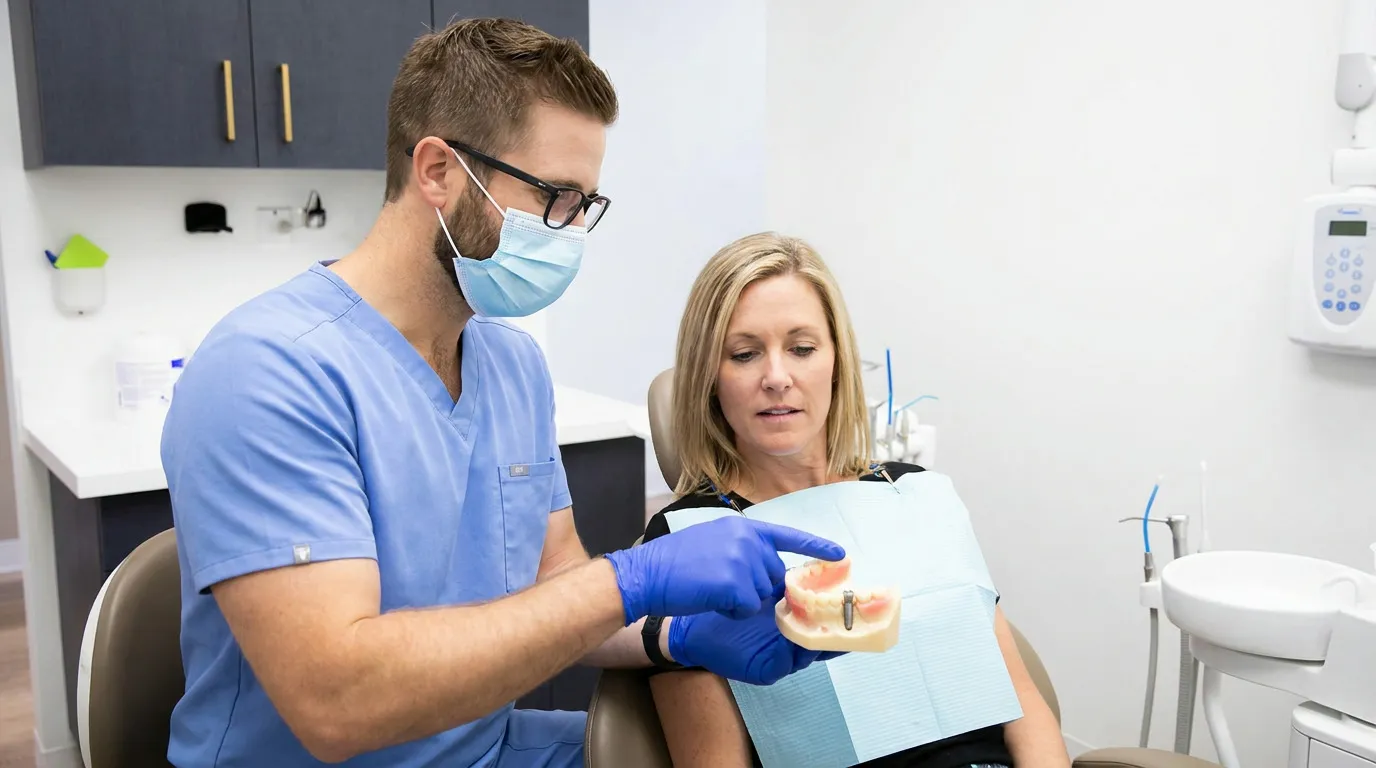
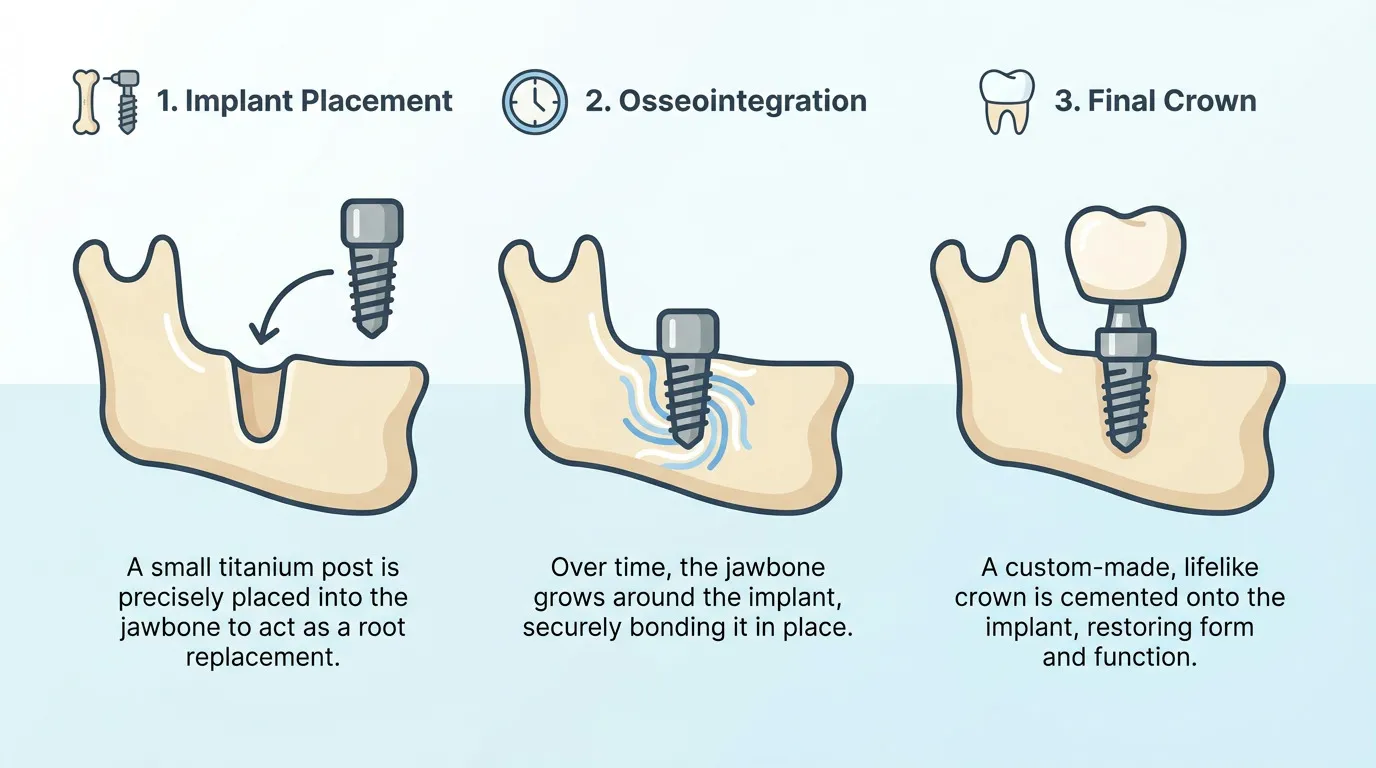
Dental implants are sophisticated, long-lasting restorations designed to replace missing teeth, from the root up. They involve surgically placing a small, biocompatible titanium post into the jawbone, which then fuses with the bone in a process called osseointegration. This creates an incredibly stable foundation for a custom-made crown, bridge, or denture. Dr. Morren explains this process to many patients, emphasizing the importance of a secure base.
Many patients, like Natalie, find the concept intriguing but wonder about the precise components and benefits. The implant itself serves as the anchor. An abutment then connects the implant to the final prosthetic. Finally, a lifelike crown is affixed, completing the restoration.
Dr. Morren often highlights the advantages of this comprehensive approach. These benefits include:
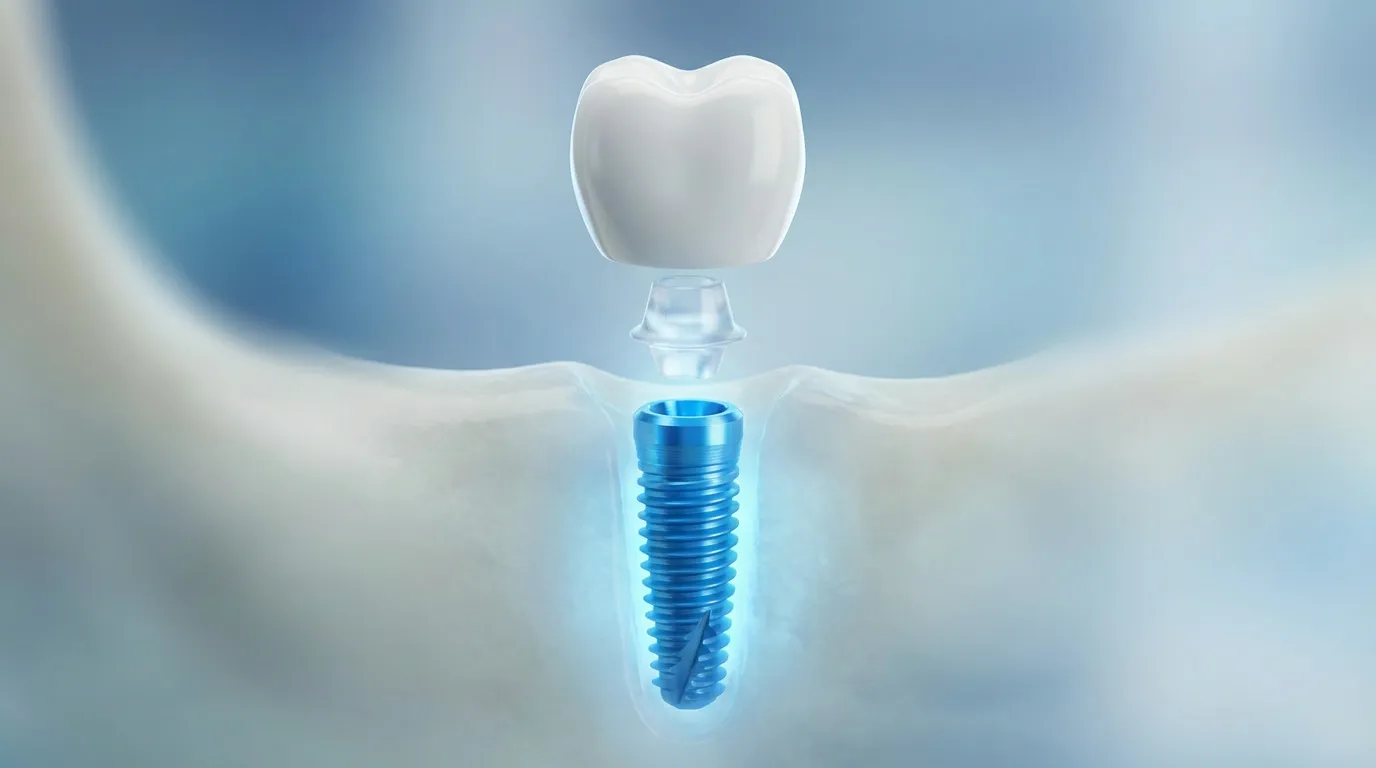
Determining candidacy for dental implants involves a comprehensive evaluation of oral health, general well-being, and lifestyle factors. While many people are suitable, specific criteria ensure the best long-term success of the procedure. Dr. Morren carefully assesses each patient's unique circumstances. Natalie was keen to understand if her situation met the necessary requirements.
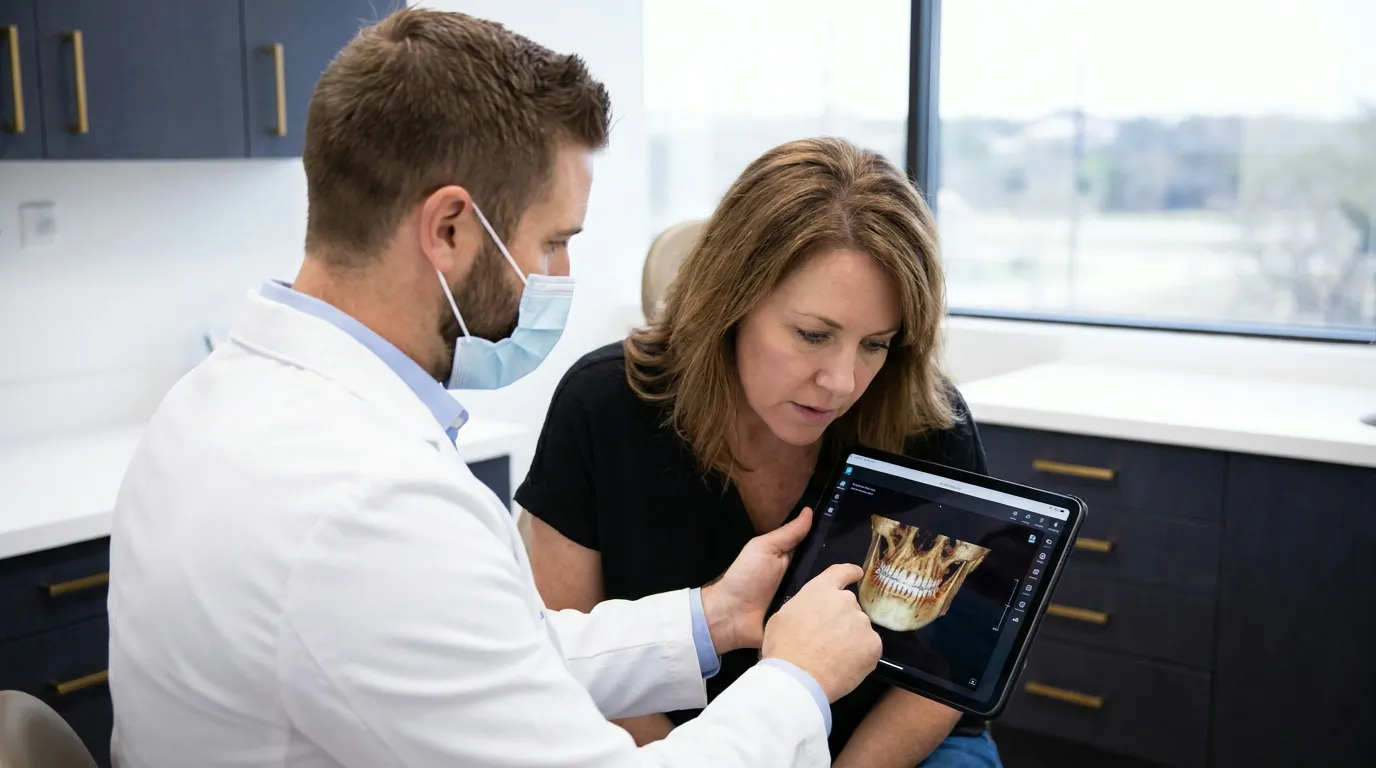
A primary requirement is sufficient jawbone density, as the implant needs a strong bone foundation to integrate properly. Patients who have experienced significant bone loss may still be candidates, but they might first require a bone grafting procedure to build up the necessary bone volume. Dr. Morren uses advanced imaging to evaluate bone structure.
Other key factors Dr. Morren considers include:
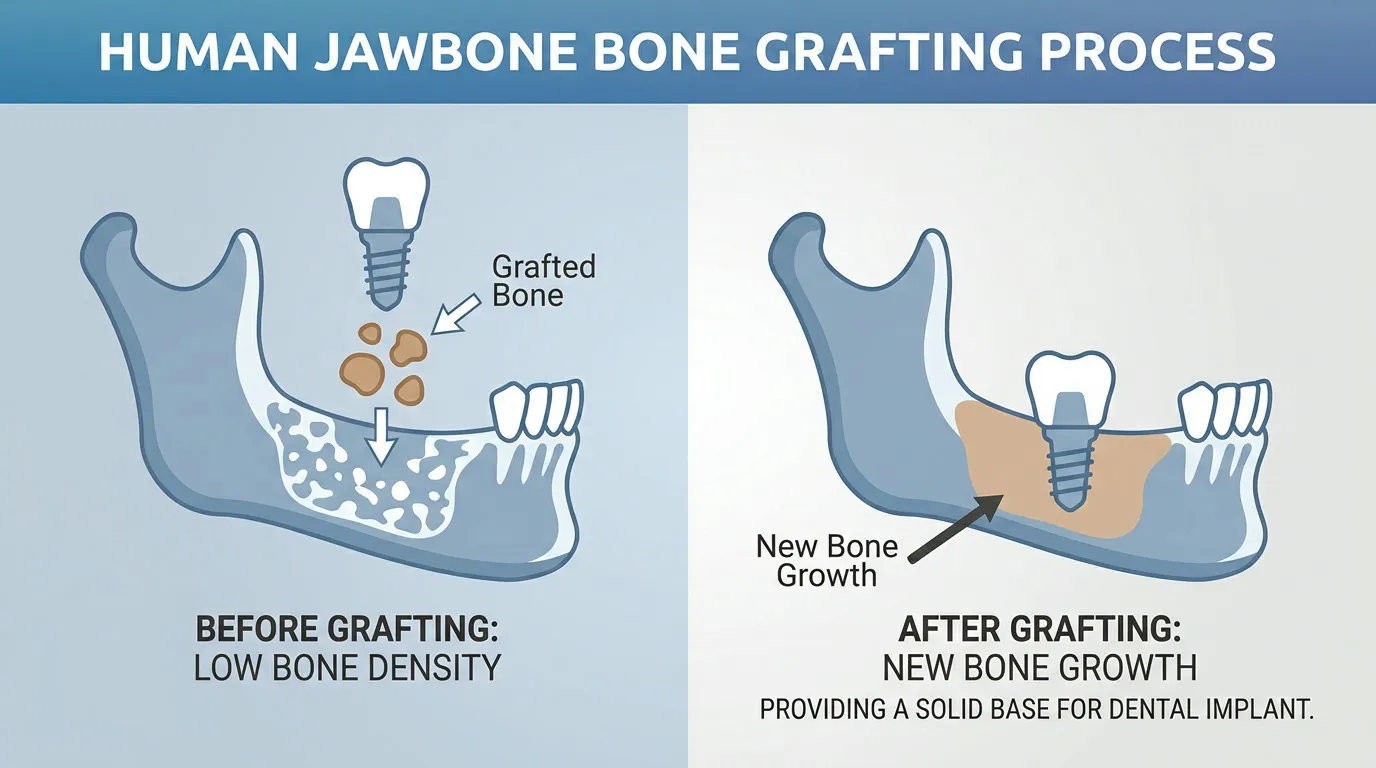
Even if a patient initially lacks sufficient jawbone density, dental implants may still be a viable option through procedures like bone grafting. This process involves adding bone material to the jaw, creating a more robust foundation for the implant. Natalie expressed concern about her own bone health, having delayed treatment for her missing molar. Dr. Morren assured her that solutions are often available.
Bone grafting can utilize bone from the patient's own body, a donor, or synthetic materials. The chosen material is placed in the area of bone deficiency, where it then integrates with the existing bone over several months. This allows the jaw to regenerate new, healthy bone. Dr. Morren often emphasizes that patience during this healing phase is absolutely critical.
Once the grafted bone has healed and matured, it provides the necessary volume and strength to securely place the dental implant. This restorative step ensures the long-term stability and success of the implant. Dr. Morren provides a clear timeline for these procedures during consultations for Preventive Dentistry.
If you are considering dental implants as a solution for missing teeth, Dr. Morren and the experienced team at Austin Dental Company - Westlake are here to help. Schedule a personalized consultation to discuss your specific needs and determine if dental implants are the right choice for you. They will answer all your questions and develop a tailored treatment plan for your smile.

The journey to a restored smile with dental implants typically involves several stages, spanning a few months, to ensure proper healing and integration. Dr. Morren carefully guides each patient through every step, starting with a thorough consultation and treatment plan. This detailed approach is crucial for achieving optimal results. Natalie found comfort in understanding the structured nature of the process.
The initial phase involves the precise surgical placement of the titanium implant post into the jawbone. This is performed under local anesthesia, and patients often report minimal discomfort. Following placement, a crucial healing period of 3 to 6 months begins, during which the implant fuses with the bone. This biological process, osseointegration, creates a bond as strong as a natural tooth root.
Once osseointegration is complete, the implant process continues with these steps:
The decision to opt for dental implants offers a wide array of benefits that extend far beyond simply filling a gap in the smile. Patients like Natalie often discover a renewed sense of confidence and improved quality of life. The comprehensive advantages of implants make them a preferred choice for many individuals seeking a permanent tooth replacement solution. Dr. Morren has witnessed countless transformations in his patients.
One of the most significant advantages is their ability to preserve natural bone structure, which prevents the facial sagging that can occur with tooth loss. Implants also function like natural teeth, allowing for unrestricted chewing and clear speech. This means patients can enjoy a diverse diet and communicate without concern. Furthermore, implants are incredibly durable and, with proper care, can last a lifetime, making them a wise long-term investment in oral health.
The aesthetic improvements are often immediate and profound. A perfectly matched, custom-made crown integrates seamlessly with surrounding teeth, creating a natural-looking smile. This contributes significantly to self-esteem and social comfort, empowering patients to smile, laugh, and speak freely. For many, this return to normalcy is priceless.
Maintaining dental implants requires the same diligent oral hygiene practices as natural teeth, ensuring their longevity and the health of surrounding tissues. While implants themselves cannot get cavities, the gum tissue and bone supporting them are still susceptible to disease if not cared for properly. Dr. Morren always emphasizes the importance of consistent home care. Natalie, having invested in her smile, was eager to learn how to protect her new implant.
Regular brushing and flossing are foundational to implant care, preventing plaque buildup and potential gum inflammation. Using a soft-bristled toothbrush and non-abrasive toothpaste is recommended to protect the implant surface and gum line. Interdental brushes or water flossers can also be particularly effective for cleaning around the implant. This routine helps prevent peri-implantitis, a condition similar to gum disease that can affect implants.
To ensure your dental implant remains healthy for decades, consider these practices:

Embarking on the journey to replace missing teeth with dental implants is a decision that often brings profound and lasting positive changes. It’s about more than just filling a gap; it’s about restoring the fundamental ability to chew comfortably, speak clearly, and smile with genuine confidence.
Dr. Morren and his team at Austin Dental Company - Westlake are dedicated to guiding each patient through this transformative process. They provide comprehensive care, from the initial consultation to the final restoration and beyond.
The careful planning, precise execution, and dedicated aftercare ensure that the results are not only beautiful but also remarkably durable. Patients often express surprise at how natural their implants feel and how quickly they adapt to their restored function. This investment in oral health truly pays dividends in quality of life.
Natalie, after her comprehensive consultation with Dr. Morren, felt a significant burden lift. She learned that despite some initial bone loss, she was indeed a good candidate for dental implants, requiring a bone graft before implant placement. Understanding the timeline and the benefits, she confidently decided to move forward. Today, with her new dental implant, Natalie enjoys her favorite foods and smiles without hesitation, a testament to the power of a complete and healthy smile. Dr. Morren believes everyone deserves that confidence.
1. Are dental implants right for everyone?
Not every individual is an ideal candidate for dental implants, but many are. Candidacy depends on factors like overall health, jawbone density, and gum health. A comprehensive evaluation by Dr. Morren is essential to determine if implants are the most suitable option for your unique situation and health profile.
2. How long does the dental implant process take?
The entire dental implant process typically spans several months. It involves initial surgery for implant placement, followed by a healing period of 3-6 months for osseointegration, and then the placement of the abutment and final crown. The exact timeline varies based on individual healing and whether bone grafting is needed.
3. Do dental implants feel like natural teeth?
Yes, dental implants are designed to look, feel, and function remarkably like natural teeth. Once integrated and restored with a custom crown, they become a permanent part of your mouth, allowing you to chew, speak, and smile with comfort and confidence, without the slippage or discomfort associated with some alternatives.
4. What is the success rate of dental implants?
Dental implants boast a very high success rate, often exceeding 95% when placed by experienced professionals like Dr. Morren and maintained with proper oral hygiene. Factors like overall health, smoking status, and diligent home care significantly influence the long-term success and longevity of the implants.
5. How do I care for my dental implants?
Caring for dental implants is similar to caring for your natural teeth. Regular brushing, flossing, and routine dental check-ups are essential. Dr. Morren recommends professional cleanings every six months to ensure the health of the implant and surrounding gum tissue, which helps prevent complications like peri-implantitis.
6. Are dental implants a permanent tooth replacement option?
Yes, dental implants are considered a permanent tooth replacement solution. The titanium post fuses directly with the jawbone, creating a stable, lifelong foundation for the replacement tooth. With proper care and maintenance, many dental implants can last for decades, even an entire lifetime.

Verify your network status and active benefits to find a Cigna dentist who helps lower your out-of-pocket dental costs.

Recognizing signs like sensitivity, pain, visible decay, or failing fillings is crucial for timely restorative care, preventing further damage and preserving oral health.

Regular dental visits and diligent home care are essential for preventing issues, catching problems early, and maintaining long-term oral health and overall well-being.