Decoding Restorative Needs With Signs You Need a Filling or Crown
Recognizing signs like sensitivity, pain, visible decay, or failing fillings is crucial for timely restorative care, preventing further damage and preserving oral health.

Recognizing signs like sensitivity, pain, visible decay, or failing fillings is crucial for timely restorative care, preventing further damage and preserving oral health.
Dental fillings and crowns are essential restorative treatments designed to repair damaged teeth, preventing further decay or structural compromise. Recognizing the early signs of needing these interventions can safeguard oral health and help avoid more complex procedures down the line. It ensures that any issues are addressed promptly, maintaining the tooth's integrity and function. Addressing these concerns effectively keeps smiles healthy and vibrant.
Recently, Melissa, a woman in her late 30s, visited Austin Dental Company - Westlake with a persistent, nagging discomfort. She had noticed a strange sensation in one of her molars, particularly when drinking cold beverages. Melissa was eager to understand what might be causing her sensitivity and what solutions were available.
She hoped Dr. Morren could shed light on her situation. Melissa was proactive about her health and wanted to nip any potential problems in the bud. Her discomfort was becoming a daily distraction, prompting her to seek professional guidance.


Cavities often begin subtly, presenting as a small area of enamel erosion before growing into a noticeable problem. Recognizing these early indicators is crucial for timely intervention. Many patients, like Melissa, first notice an increased sensitivity to hot, cold, or sweet foods and drinks. This discomfort can range from a mild twinge to a sharp, sudden pain that lingers.
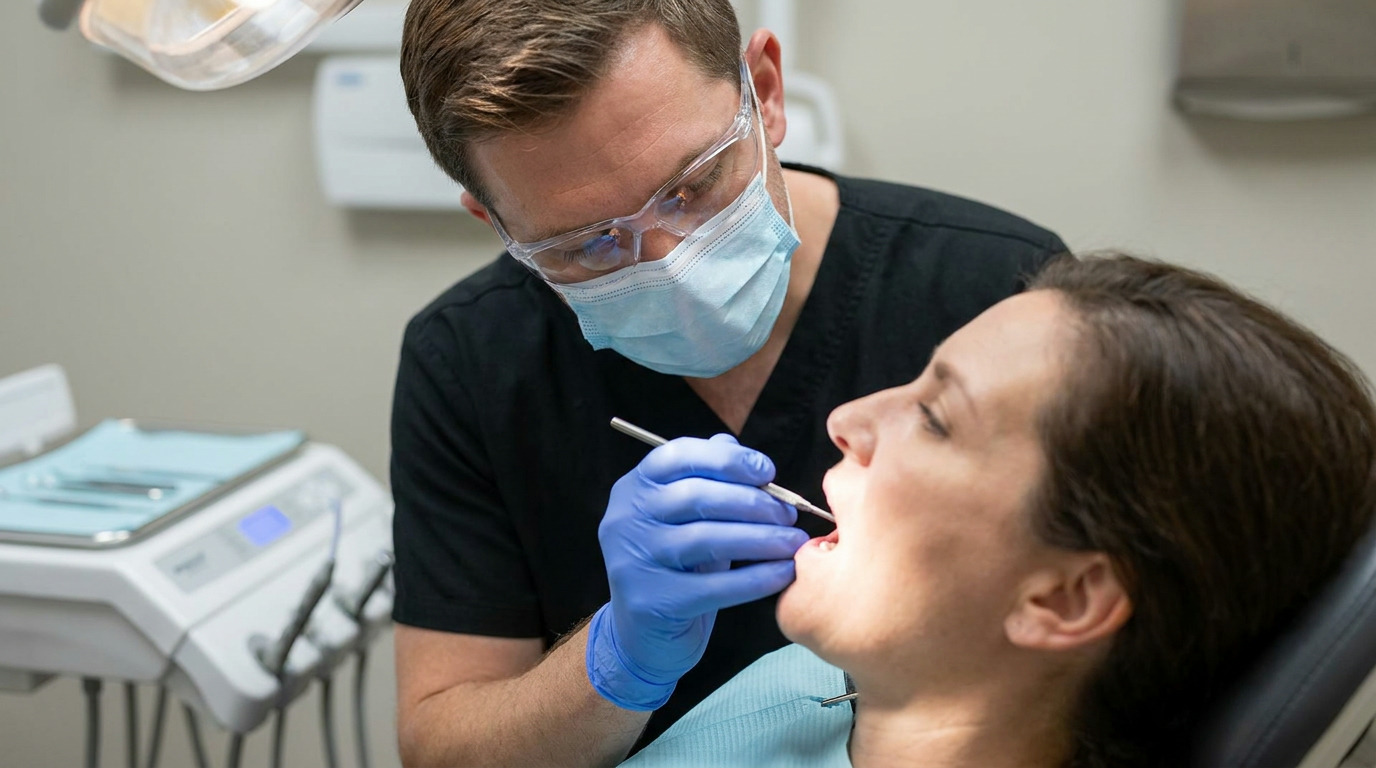
Dr. Morren explained that while sensitivity is a key sign, other indicators also point to the presence of decay. He carefully examined Melissa’s teeth, noting her specific concerns. Catching these issues early is always Dr. Morren's priority for his patients.

Pain, especially if it's persistent or sharp, is often the body’s clearest signal that a tooth requires attention. If the discomfort arises spontaneously or wakes a person from sleep, it might indicate a more advanced issue, such as decay reaching the pulp. Dr. Morren listened intently as Melissa described her sensations, which were becoming more frequent. He noted that her description sounded like dentin sensitivity, a common sign of exposed areas.
He gently probed the area Melissa indicated, looking for any visible damage or soft spots. Dr. Morren emphasized that not all pain is the same, and different types can point to distinct dental problems. Understanding these nuances helps guide the most effective treatment plan.

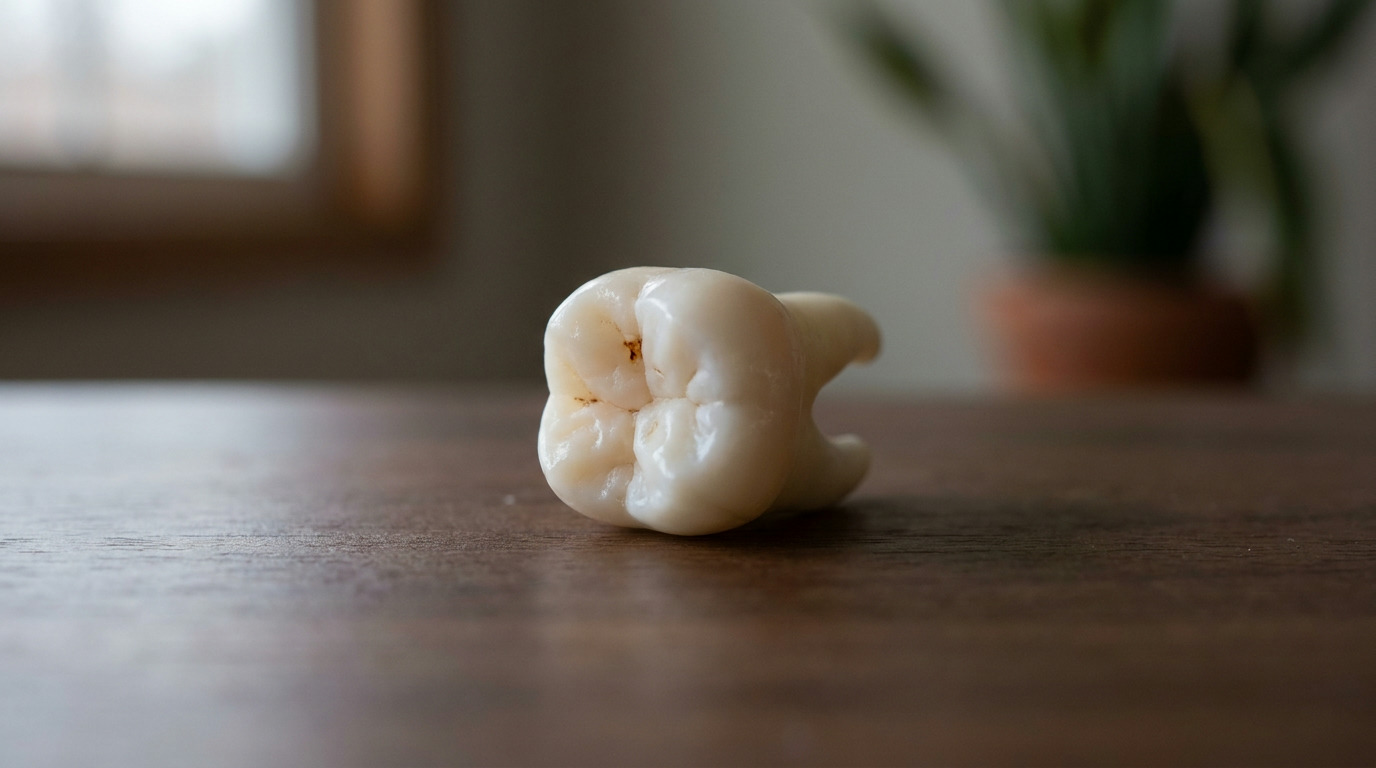
Visible signs of decay or damage mean the problem has progressed beyond the initial stages of enamel erosion. This can manifest as dark spots, small holes, or even a crumbling tooth structure. Melissa mentioned she hadn't seen any large holes, but she'd started noticing a slight discoloration on the chewing surface of her troubled molar. Dr. Morren confirmed that visual cues are strong indicators for restorative intervention.
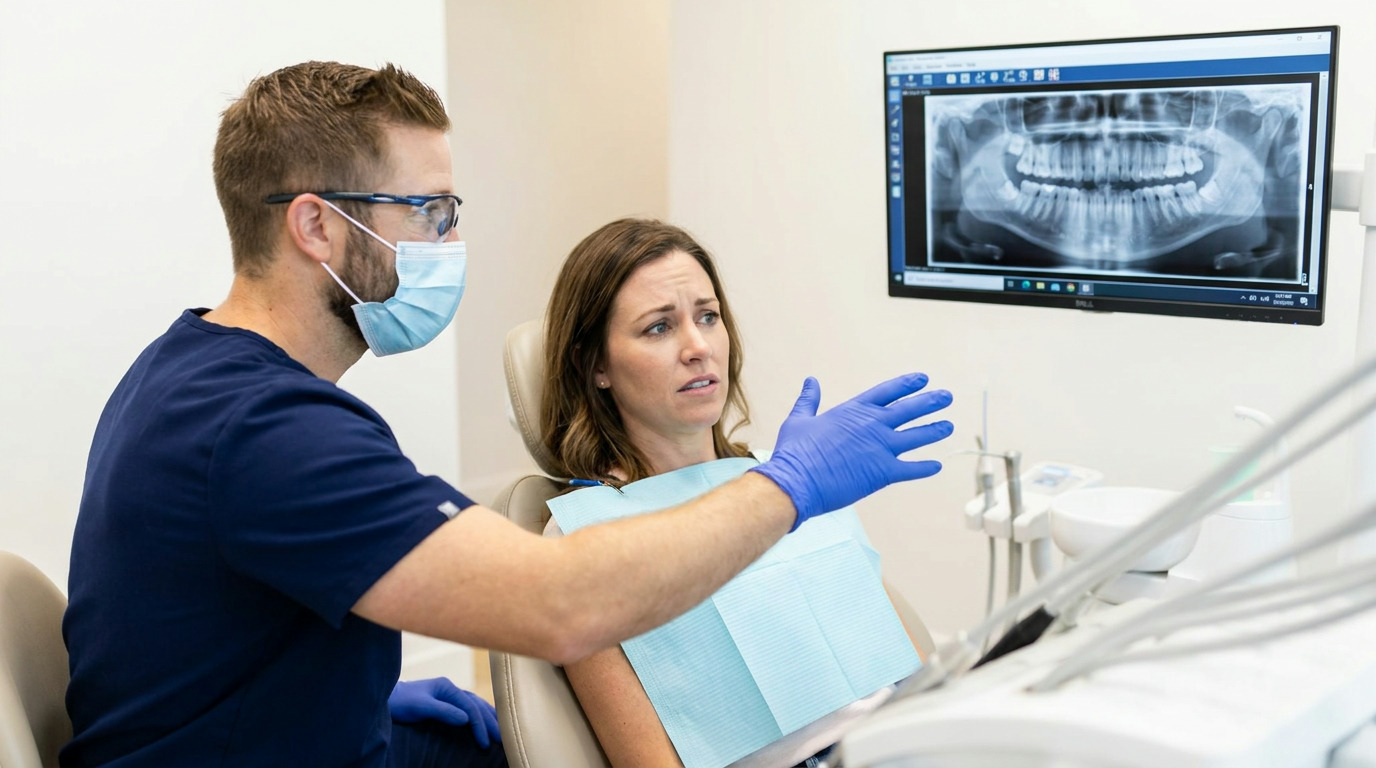
He took X-rays to get a clearer picture of the tooth's internal structure and any potential hidden decay. Sometimes, what appears minor on the surface can be more extensive beneath the enamel. Early detection, even through subtle visual changes, can prevent a small filling from turning into a necessary crown. Dr. Morren explained the importance of addressing these signs quickly.

Don't wait for discomfort to become a problem. Regular dental check-ups are your first line of defense against cavities and other oral health issues. Contact Austin Dental Company - Westlake today to schedule your next appointment with Dr. Morren and ensure your smile remains healthy and strong.

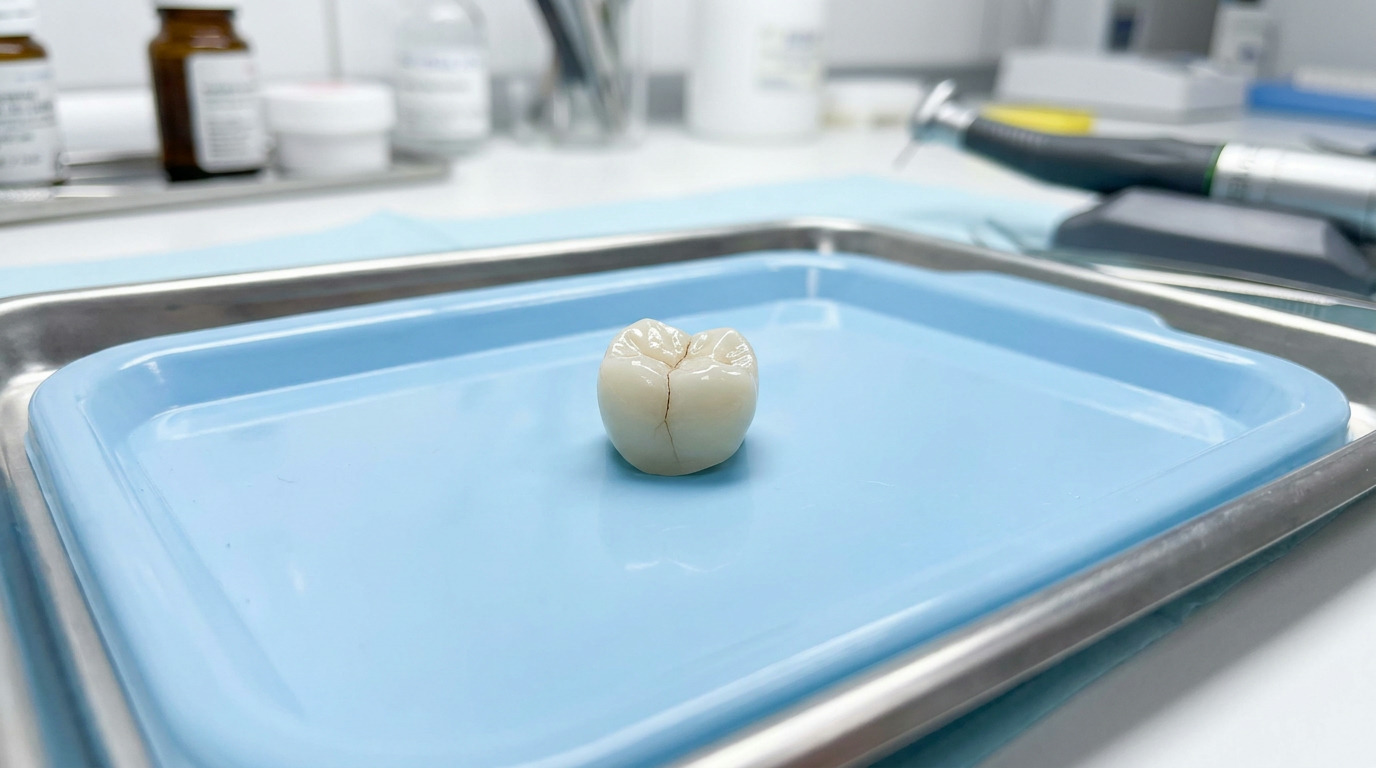
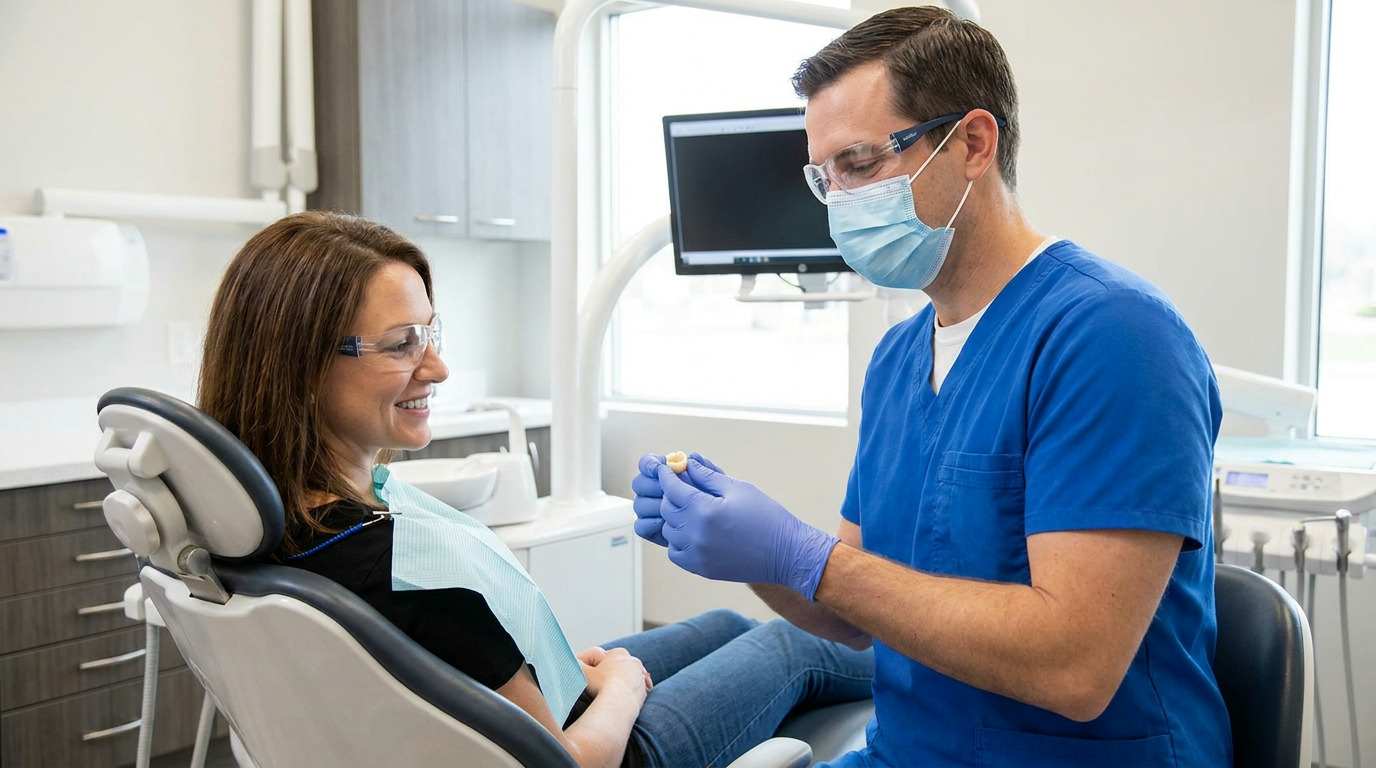
While fillings address smaller cavities, crowns are necessary for more extensive damage where a tooth's structure is significantly compromised. A crown acts like a cap, encasing the entire visible portion of the tooth to restore its strength, shape, and appearance. Melissa asked about crowns, wondering if her discomfort could warrant such a treatment. Dr. Morren explained the scenarios where a crown is typically indicated. He carefully reviewed Melissa's X-rays, which revealed a larger area of concern than initially suspected.
The X-ray showed a deep area of decay under a previous filling that Melissa didn't even know she had. This unexpected finding meant the tooth had lost substantial internal structure. A filling alone would not suffice for the necessary repair.

Even well-placed fillings have a lifespan and may eventually require replacement or repair. Over time, fillings can chip, crack, wear down, or begin to pull away from the tooth, creating tiny gaps where bacteria can enter. Melissa recalled having a filling in that molar years ago, which she had completely forgotten about. Dr. Morren pointed out that her old filling was indeed compromised. This compromised filling was allowing bacteria to enter, causing the new decay and sensitivity.
Regular dental check-ups are essential for monitoring the condition of existing fillings. Dr. Morren uses these appointments to assess their integrity and look for any signs of leakage or deterioration. Addressing these issues early prevents small problems from escalating into more complex dental procedures, preserving the tooth effectively.

Beyond obvious pain or visible damage, other subtle indicators can suggest a need for restorative care. Persistent food impaction, where food consistently gets stuck between teeth or around an old filling, can be a sign of a developing problem. Melissa admitted that she sometimes found herself flossing more vigorously in that particular area. She also mentioned occasional bad breath that she couldn’t quite explain. These small, seemingly insignificant details often paint a larger picture for Dr. Morren.
He noted that a consistently rough spot on a tooth, or a feeling that her bite doesn't quite "fit" anymore, could also be red flags. These subtle changes warrant investigation because they often precede more significant issues. Being attentive to these minor signals empowers patients to seek help before problems become major.

Melissa left Austin Dental Company - Westlake with a clear understanding of her dental needs and a plan for treatment. Dr. Morren had thoroughly explained that her recurring sensitivity and the newly discovered decay beneath her old filling necessitated a dental crown to restore the tooth’s full strength and function. She felt relieved to finally have an answer and a pathway to resolve her discomfort.
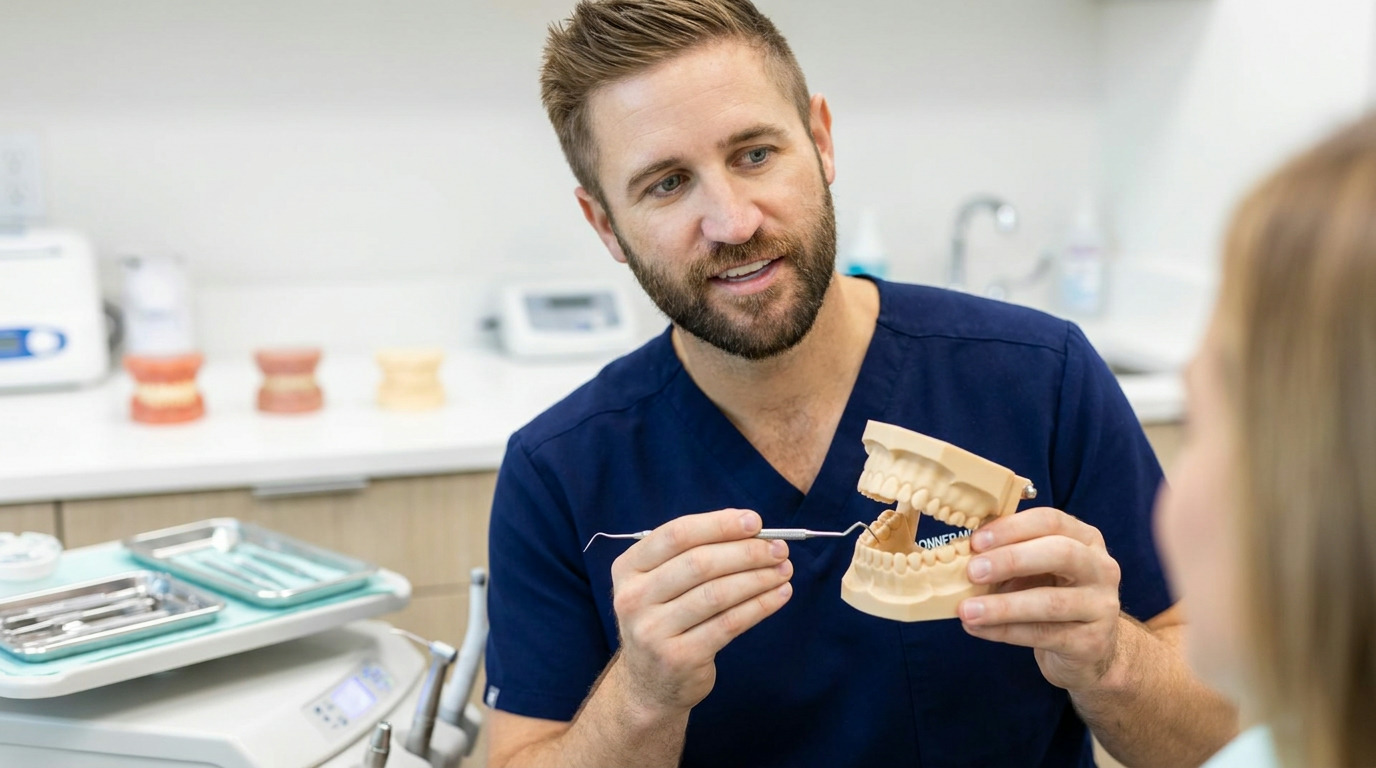
Dr. Morren's careful explanation of the procedure, including how the crown would protect her tooth from future damage, eased any anxieties. His approach to her case underscored the importance of not dismissing subtle symptoms and maintaining regular check-ups.
Melissa realized that her proactive visit prevented a more severe problem down the line, potentially saving her from greater pain or even tooth loss. She now understood that prioritizing restorative care is not just about fixing a problem, but about actively preserving long-term oral health and comfort.


Regular dental visits and diligent home care are essential for preventing issues, catching problems early, and maintaining long-term oral health and overall well-being.

Discover Audrey's journey to a radiant, confident smile with Dr. Morren, transforming insecurity with professional Teeth Whitening and Dental Crowns.

Discover how preventive dentistry offers a clear path to long-term oral health, avoiding future dental issues and discomfort.