Back to Blogs
How to Find a Dentist That Takes Cigna Insurance
Verify your network status and active benefits to find a Cigna dentist who helps lower your out-of-pocket dental costs.
November 7, 2026
•
2 min read


Verify your network status and active benefits to find a Cigna dentist who helps lower your out-of-pocket dental costs.
To find a dentist that takes Cigna insurance, check Cigna’s online provider directory, search your plan’s specific network tier, or call local dental offices directly to verify coverage. Confirming whether the practice is in-network with your specific DPPO or DHMO plan ensures you receive contracted rates and reduce your out-of-pocket expenses.
Navigating dental insurance can feel overwhelming when you need routine care or restorative treatment. At Austin Dental Company, our team helps patients understand their coverage before starting any treatment plan. Dr. Morren and his administrative staff review insurance details directly with your carrier so you know what benefits apply to your visit.
Taking time to confirm your plan details helps you avoid unexpected billing surprises and access preventive services with ease. Whether you live in central Austin or the Westlake hills, understanding how your plan operates gives you complete control over your family's oral health decisions.

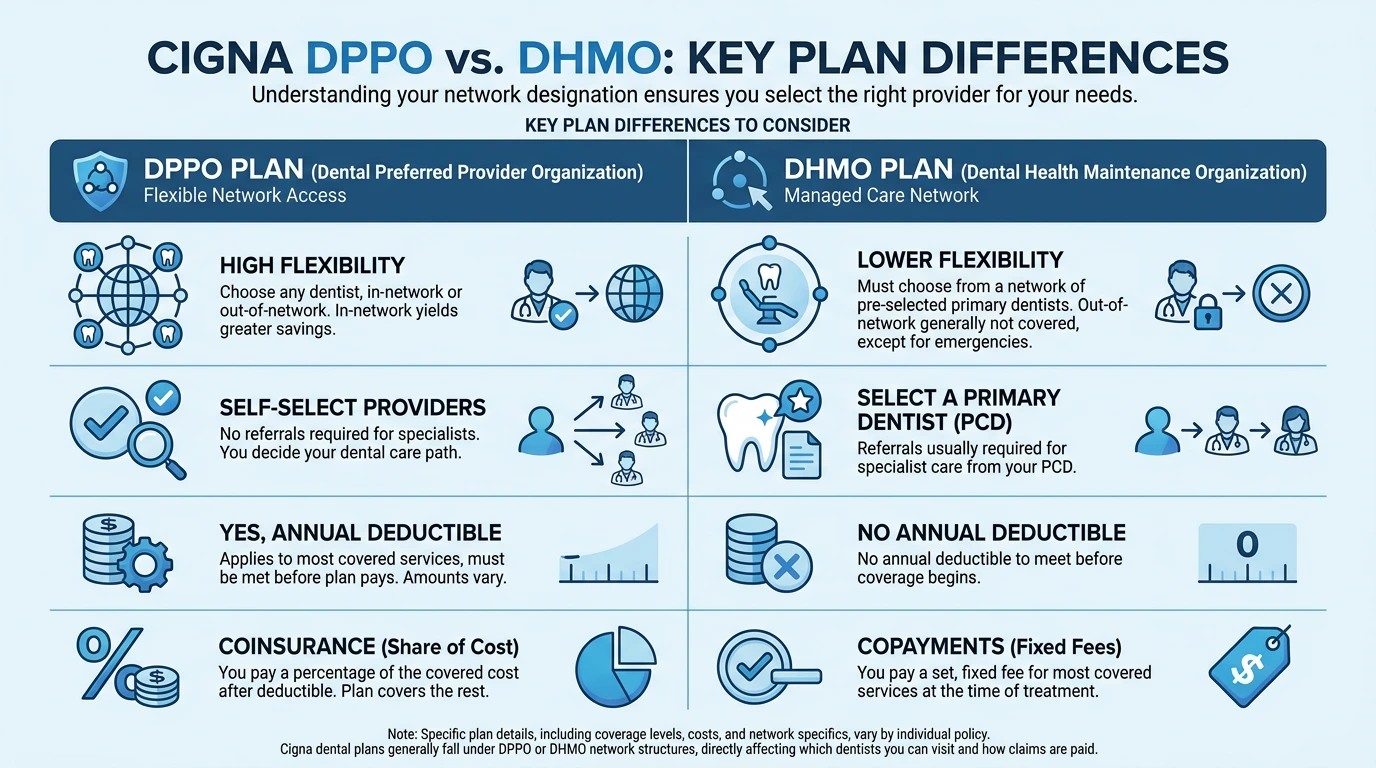
Cigna dental plans generally fall under DPPO or DHMO network structures, directly affecting which dentists you can visit and how claims are paid. DPPO plans allow you to see any licensed provider with lower out-of-pocket costs in-network, whereas DHMO plans require selecting a primary dental office and restrict out-of-network benefits.
Understanding your network designation ensures you select the right provider for your needs. When evaluating your card, look for specific plan designations that influence your coverage levels:
Knowing whether your plan requires a designated primary care facility prevents denied claims. If you carry a DPPO policy, you have the freedom to select a private practice that aligns with your clinical expectations while still utilizing your contracted dental allowances.
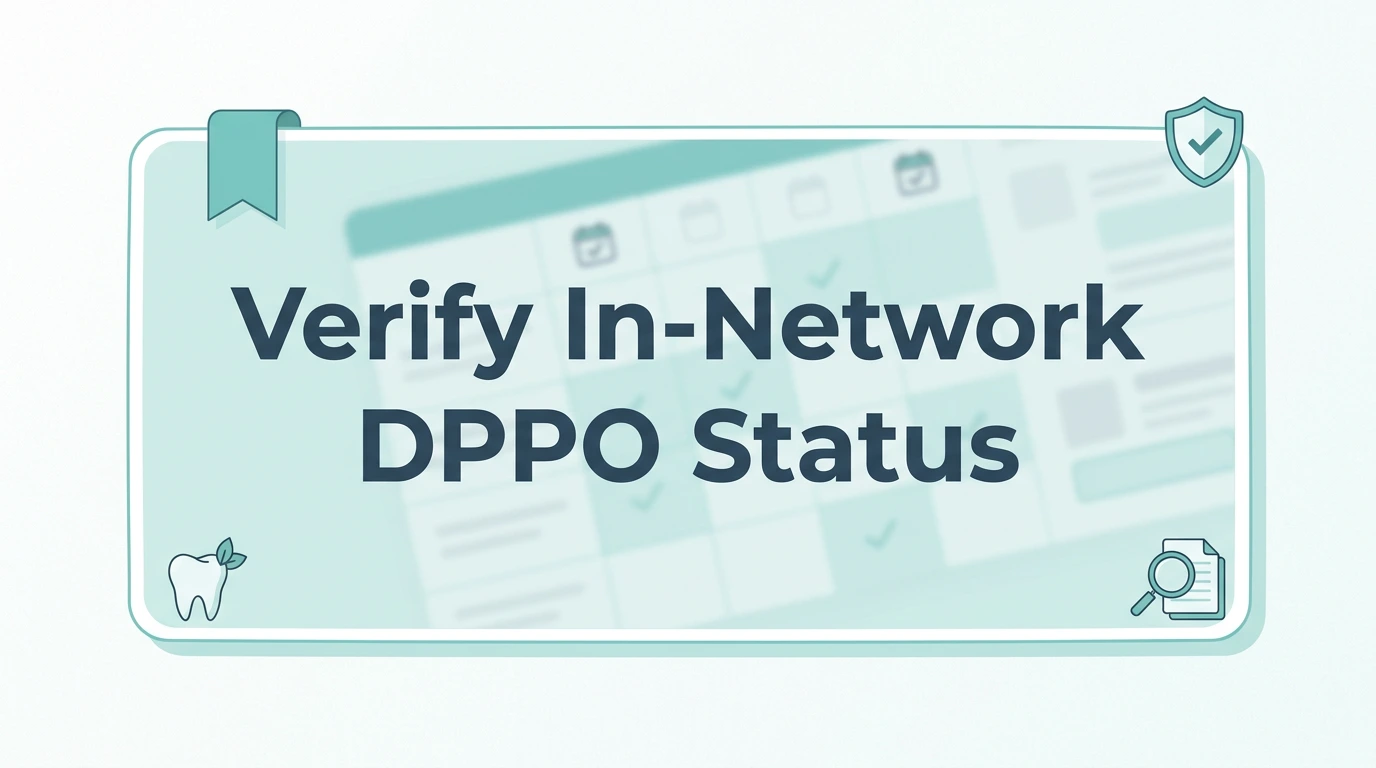
When calling a dental practice, ask if they are an in-network provider for your specific Cigna policy rather than just asking if they accept your insurance. Providing your subscriber ID, group number, and employer name allows the office team to verify your benefits, active status, and remaining balance before your appointment.
Many offices will accept your card and file claims on your behalf, but out-of-network reimbursements carry higher patient responsibility. Asking direct, structured questions during your initial phone call gives you the clarity you need.
At our Austin practice, our front desk team routinely conducts these benefit checks for patients. By gathering this policy information beforehand, our office helps you move forward with required dental care without financial ambiguity.
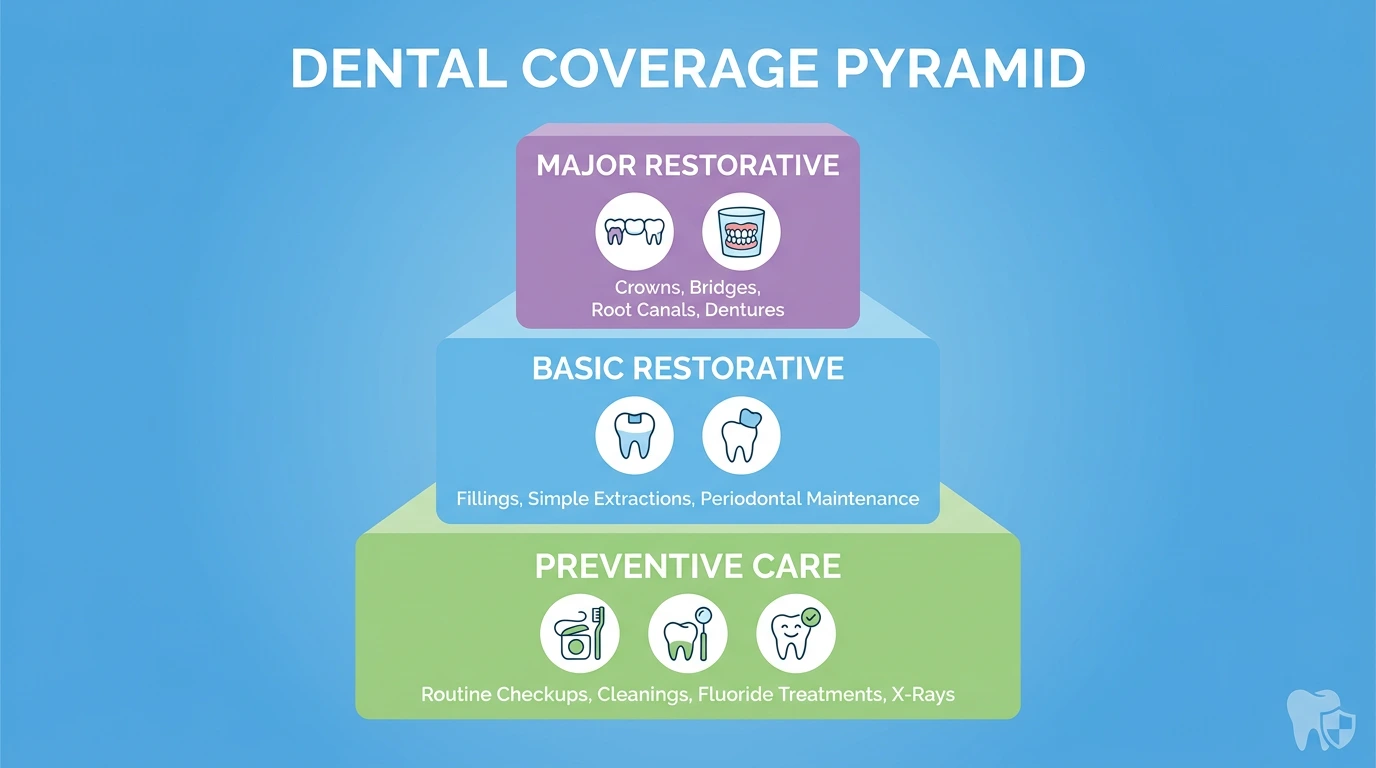
Cigna dental insurance plans typically structure coverage using a standard tiered framework covering preventive, basic restorative, and major restorative services. Most standard DPPO plans cover routine checkups and cleanings at the highest percentage, while basic fillings and major procedures require shared patient coinsurance according to your policy breakdown.
Routine diagnostic checkups usually fall under Preventive Dentistry. Under many standard plans, this includes professional cleanings, routine exams, and standard X-rays. Because preventive visits help stop minor concerns before they expand into complex conditions, insurers encourage regular checkups by minimizing member out-of-pocket expenses.
When a tooth requires functional repair, Restorative Dentistry services are categorized as either basic or major. Basic procedures commonly involve tooth-colored composite restorations or simple tooth extractions. Major categories generally cover comprehensive restorations such as Dental Crowns or bridge units, which usually require a standard deductible payment alongside percentage-based coinsurance.
Individual policies vary widely based on your employer's negotiated contract. Dr. Morren always emphasizes diagnosing what your mouth needs for long-term health rather than letting insurance limits dictate clinical care. Our staff works closely with your insurance parameters to phase complex treatments whenever clinically appropriate.
Contact our team to schedule your consultation with Dr. Morren at Austin Dental Company. We are happy to review your insurance coverage, answer policy questions, and provide the personalized dental care your smile deserves.

To avoid unexpected out-of-network dental charges, always obtain a formal breakdown of benefits and request a complimentary benefits verification prior to your appointment. Never assume a directory is completely up to date, and ask your dental office to file pre-determinations with Cigna for any multi-stage or high-tier treatment.
Online insurance directories are notorious for containing outdated provider rosters. A clinic listed in an online database may have recently adjusted its network participation, leaving patients with unexpected balances.
Taking these precautions helps ensure your treatment aligns with your budgetary expectations. Clear communication between you, your dentist, and your insurance carrier ensures you can focus entirely on comfortable, quality dental care.

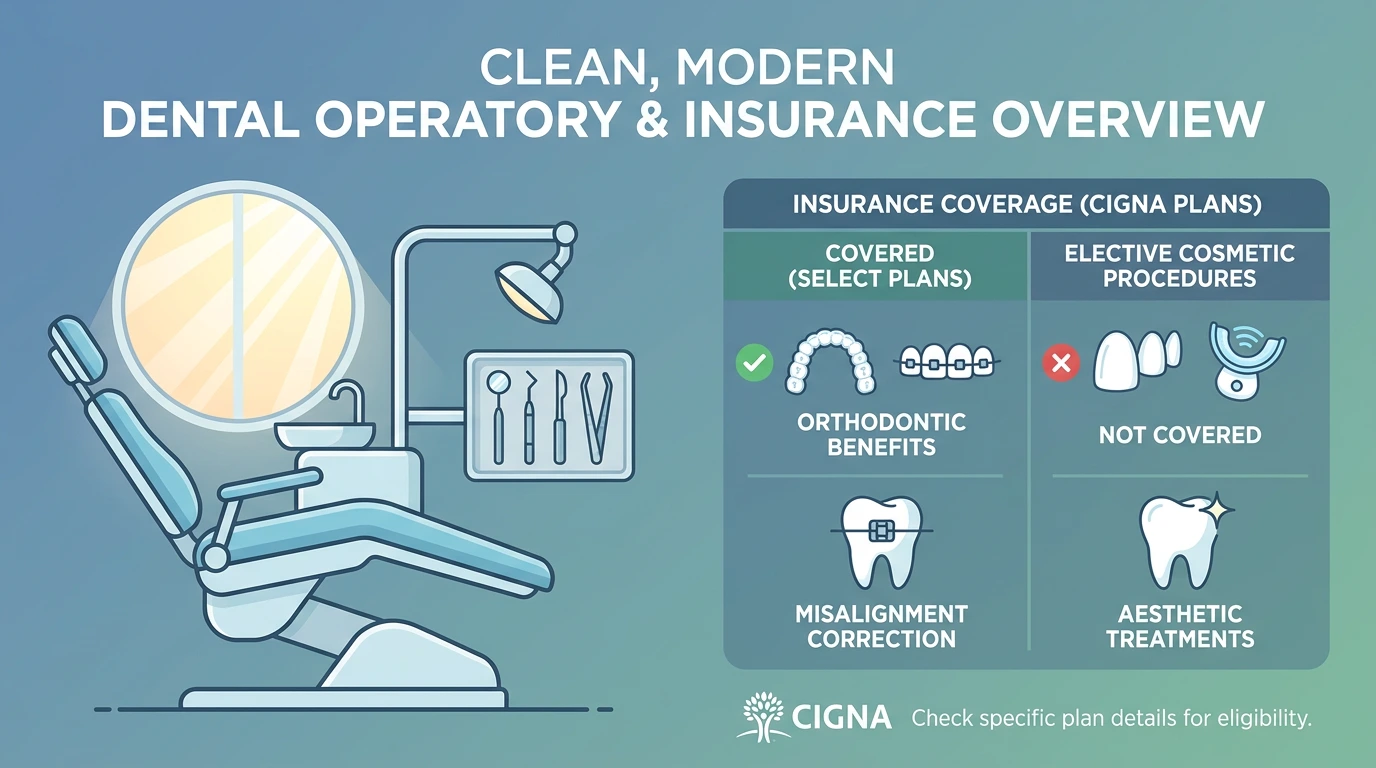
Cigna dental insurance plans generally do not cover purely elective aesthetic procedures, but some plans do include partial orthodontic benefits for qualifying policyholders. Treatments intended solely to alter appearance, such as professional teeth whitening or porcelain veneers, are considered elective and must be funded out of pocket by the patient.
When addressing misalignment, certain plans include an orthodontic rider that can help reduce costs for orthodontic options like clear aligners or Invisalign®. Orthodontic benefits usually carry a separate lifetime maximum allowance that applies once per member, distinct from your regular yearly dental maximum. Dr. Morren can evaluate your bite to determine if clear aligners can improve both functional alignment and aesthetics.
Cosmetic options like porcelain veneers or external bleaching treatments do not qualify for insurance subsidies because they do not repair active disease or functional impairment. However, if a tooth needs structural restoration due to fracture or decay, a porcelain crown may receive restorative coverage while still improving the look of your smile.
For services without insurance participation, our team explains flexible third-party financing arrangements and health savings account options. This transparency ensures you can reach your aesthetic goals without dealing with confusing reimbursement claims later.
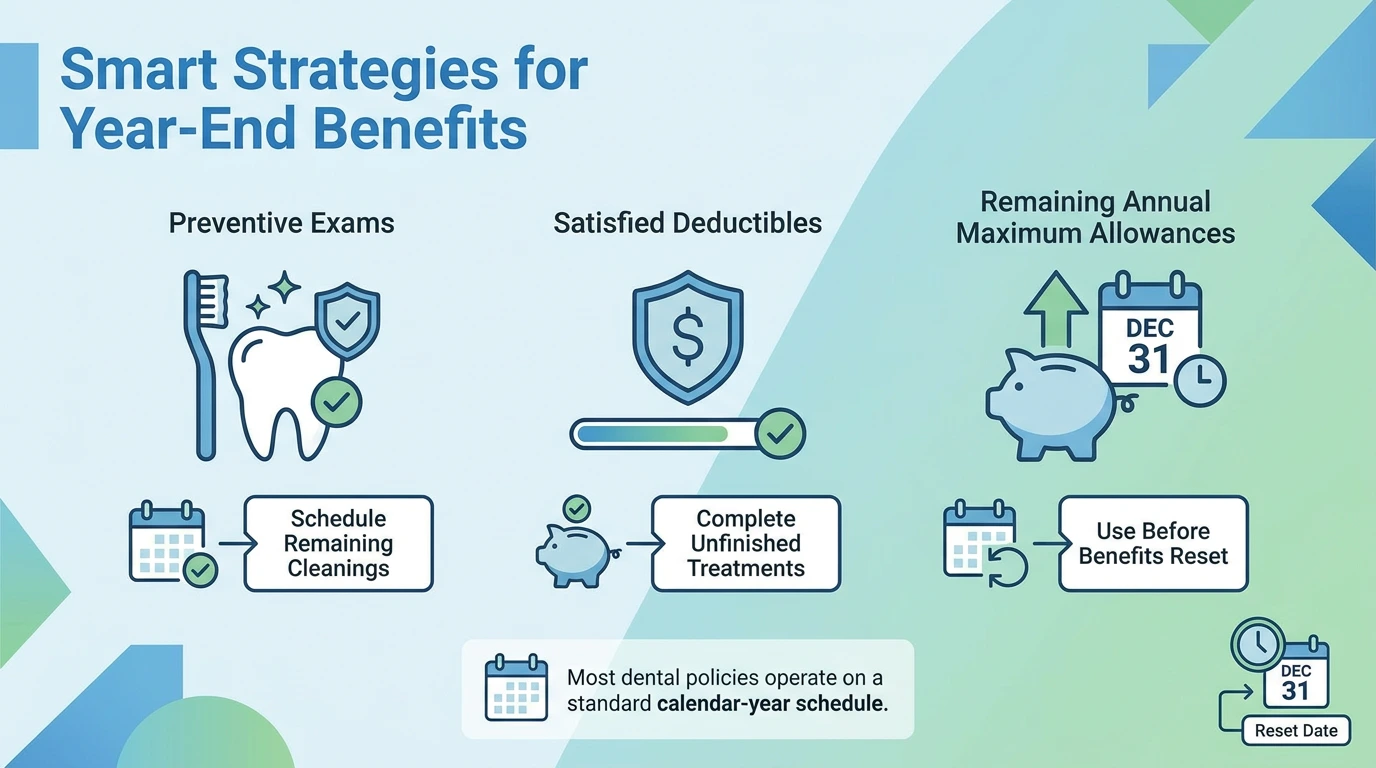
To maximize your Cigna dental benefits before year end, schedule remaining preventive cleanings, complete unfinished multi-phase treatments, and use your remaining annual maximum before benefits reset on January 1. Unused dental benefit funds do not roll over into the new year, meaning unused coverage is lost permanently.
Most dental policies operate on a standard calendar-year schedule. If you have already satisfied your annual individual deductible, completing needed dental treatments before December 31 can save you significant personal expense.
Planning your care alongside your annual calendar allows you to optimize every dollar your plan provides. Dr. Morren works with patients across Austin to map out treatment sequences that protect both oral health and financial well-being.
Understanding how your Cigna dental policy applies to your clinical care should never stand in the way of achieving a healthy, stable smile. While dental coverage carries policy guidelines, annual maximums, and clinical limitations, having an experienced dental team makes every step straightforward.
At Austin Dental Company, we believe in complete financial clarity before any clinical procedure begins. Dr. Morren takes time to assess your dental health thoroughly, identifying your immediate treatment needs and long-term wellness goals. Whether you need an overdue examination, restorative tooth repair, or prompt Emergency Dentistry, our clinical care is always guided by what keeps your smile healthy.
Our administrative team coordinates directly with your insurance carrier to decipher policy language, file claims correctly, and clarify your co-payments in advance. If your treatment requires out-of-pocket investment, we guide you through transparent financing alternatives to fit your personal budget. Contact our team to schedule an appointment and let us help you maximize your insurance benefits.
1. How do I find a dentist that takes Cigna insurance?
You can search Cigna’s online directory, check your member portal, or call dental practices in your area. Provide your specific plan name, policy ID, and group number directly to the dental front desk to verify whether the practice participates in your plan's network tier.
2. Does a dentist accept Cigna if they are out-of-network?
A dental practice can accept your Cigna insurance card and submit claims even if they are out-of-network. However, your out-of-pocket costs and co-insurance percentages are usually lower when you see a contracted, in-network dentist who honors negotiated fee schedules.
3. What is the difference between Cigna DPPO and DHMO?
Cigna DPPO allows you to visit any dentist, offering reduced rates for in-network care and partial benefits out-of-network. Cigna DHMO requires selecting a primary dental office, generally offers no out-of-network coverage, and uses set copayments rather than annual maximums or percentages.
4. Does Cigna cover preventive checkups and cleanings?
Most Cigna DPPO plans cover preventive checkups, routine cleanings, and diagnostic X-rays at high coverage percentages twice per benefit year. However, specific policies may enforce strict waiting periods or time intervals between appointments that you must follow to receive full coverage.
5. Does Cigna insurance pay for dental crowns?
Cigna DPPO plans typically classify dental crowns as a major restorative procedure. After you satisfy your individual deductible, Cigna usually covers a designated percentage of the contracted cost, provided the tooth has substantial structural damage or decay requiring coverage.
6. Are dental implants covered under Cigna plans?
Coverage for dental implants depends on your specific employer plan package. Some comprehensive policies include implant riders, while others exclude surgical placement. Your dental team can submit a pre-treatment estimate to Cigna to determine whether implant restorations receive partial coverage.
7. Does Cigna cover Invisalign® clear aligner therapy?
Cigna may cover Invisalign® if your policy includes an orthodontic benefit rider. These benefits are often subject to lifetime caps and age restrictions. A pre-determination submitted by your dental provider will clarify whether clear aligner therapy qualifies under your policy.
8. What happens if I exceed my Cigna annual maximum?
Once you reach your plan's annual maximum, Cigna will not contribute further funds toward treatment until your plan year resets. Any clinical care provided after exceeding your limit becomes your direct financial responsibility, making strategic year-end planning essential.
9. How do pre-treatment estimates work with Cigna?
A dental office submits a detailed treatment plan alongside diagnostic X-rays directly to Cigna before starting care. Cigna reviews the submission and returns a written pre-determination outlining covered services, deductible requirements, estimated insurance contributions, and anticipated patient expenses.
10. Can I use an FSA or HSA alongside Cigna dental coverage?
You can use Flexible Spending Accounts or Health Savings Accounts to pay for eligible out-of-pocket dental costs not covered by Cigna. This includes deductibles, co-pays, coinsurance, and non-covered clinical services, allowing you to pay using pre-tax funds.

Restore your smile and confidence with dental implants, a durable solution for missing teeth that looks, feels, and functions like natural ones.

Recognizing signs like sensitivity, pain, visible decay, or failing fillings is crucial for timely restorative care, preventing further damage and preserving oral health.

Regular dental visits and diligent home care are essential for preventing issues, catching problems early, and maintaining long-term oral health and overall well-being.